Serampur

Festivals

fest05

Poush Mela

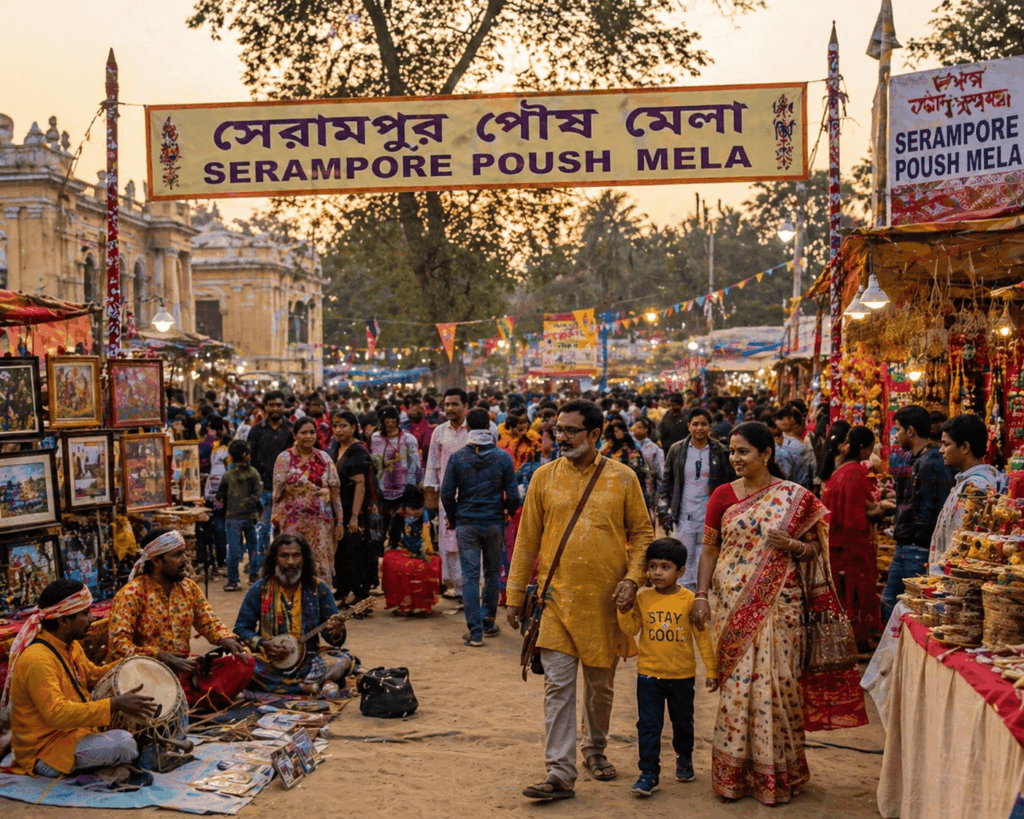
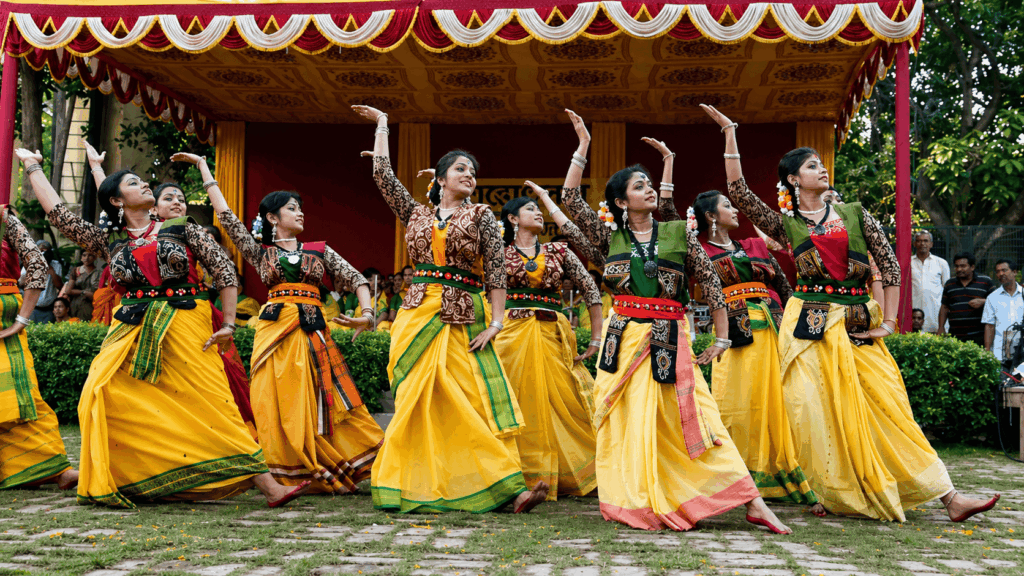
Poush Mela in Serampore is one of the town’s most vibrant and eagerly awaited cultural festivals, celebrated during the Bengali month of Poush (December–January). Rooted in Bengal’s rich traditions, the mela brings together art, music, food, and community spirit, transforming Serampore into a lively hub of festivity.The mela showcases the essence of Bengali heritage through folk music, Baul performances, and traditional dance. Local artists and performers fill the air with soulful melodies, creating an atmosphere that reflects the deep cultural roots of West Bengal. More than just a fair, Poush Mela serves as a social gathering space where families, friends, and visitors come together to celebrate. The vibrant decorations, joyful crowds, and evening lights create a warm and welcoming environment for all age groups.Whether you are a culture enthusiast, a foodie, or simply looking to experience the festive spirit of Bengal, Poush Mela in Serampore offers a perfect blend of tradition and celebration. It stands as a beautiful reminder of the region’s artistic heritage and strong sense of community.
Poush Mela Read More »

fest04

Serampur Heritage Festival

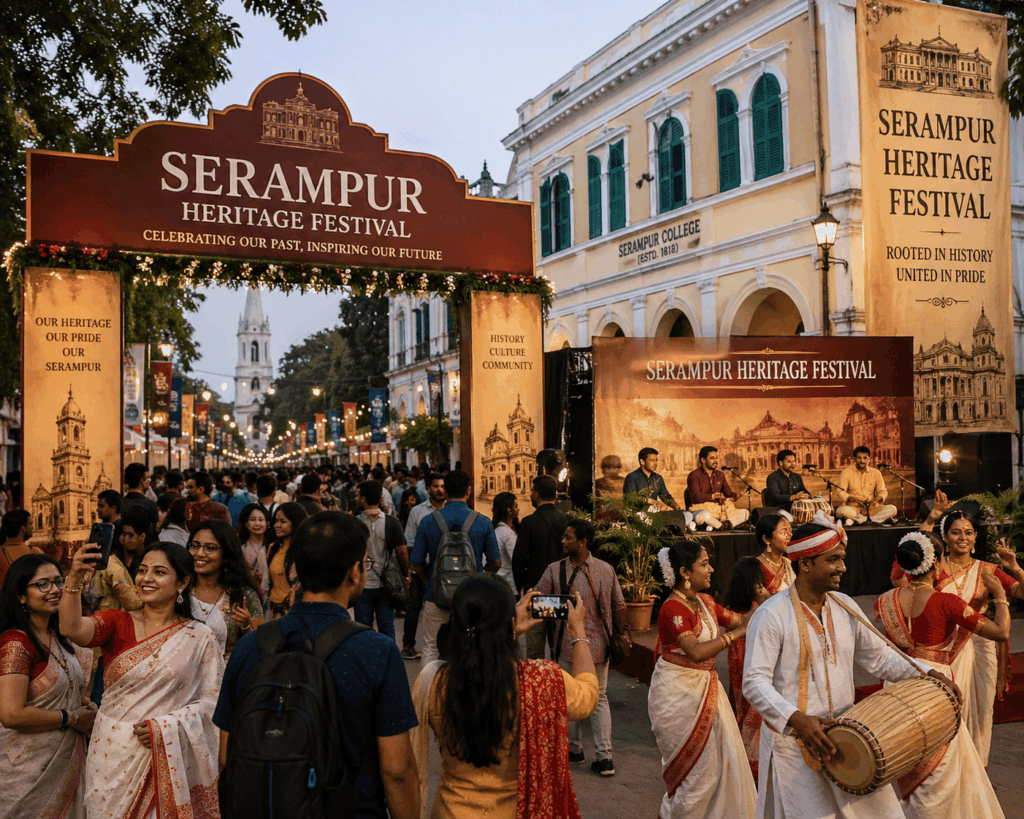
The Serampur Heritage Festival is a vibrant celebration of history, culture, and community spirit, held in the historic town of Serampore. Known for its rich colonial past and deep cultural roots, Serampore comes alive during this festival as locals and visitors gather to honor its timeless legacy. The festival highlights Serampore’s unique blend of Indian and Danish heritage, dating back to its days as a Danish colony. Iconic landmarks such as Serampore College, St. Olav’s Church, and the historic riverside structures become focal points of guided heritage walks, storytelling sessions, and cultural exhibitions. Visitors can enjoy a wide range of artistic performances, including traditional Bengali folk dances, classical music recitals, street theatre, and poetry readings. Local artists and craftsmen showcase their talents through exhibitions of handicrafts, paintings, and handmade goods, reflecting the artistic richness of the region. No heritage festival is complete without food. The Serampur Heritage Festival offers a delightful culinary journey through authentic Bengali cuisine—from savory dishes like fish curry and puchka to sweet treats such as rasgulla and sandesh. Food stalls line the streets, creating a lively and flavorful atmosphere.

Serampur Heritage Festival Read More »

fest03

Poila Boishakh

Poila Boishakh, the Bengali New Year, is one of the most vibrant and culturally rich celebrations in Serampore. Observed on the first day of the Bengali calendar (usually April 14 or 15), this auspicious occasion marks new beginnings, prosperity, and cultural pride for the Bengali community. In Serampore, Poila Boishakh is celebrated with great enthusiasm, blending traditional rituals with community festivities. The day typically begins with people wearing new clothes, visiting temples, and seeking blessings for a prosperous year ahead. Local markets and streets come alive with decorations, music, and cultural performances. One of the most significant traditions observed during Poila Boishakh is the Hal Khata ceremony, where local shopkeepers close their old account books and open new ledgers. Customers are invited to settle past dues and are often welcomed with sweets and refreshments as a gesture of goodwill and continued business relationships. The town’s rich cultural heritage adds a unique charm to the celebration. Cultural programs featuring Rabindra Sangeet, folk dances, and recitations are organized across Serampore, reflecting the artistic essence of Bengal. Families and friends gather to enjoy traditional Bengali cuisine such as ilish machh, shorshe bata, pulao, and a variety of sweets like rosogolla and mishti doi.

Poila Boishakh Read More »

fest02

Durga Puja

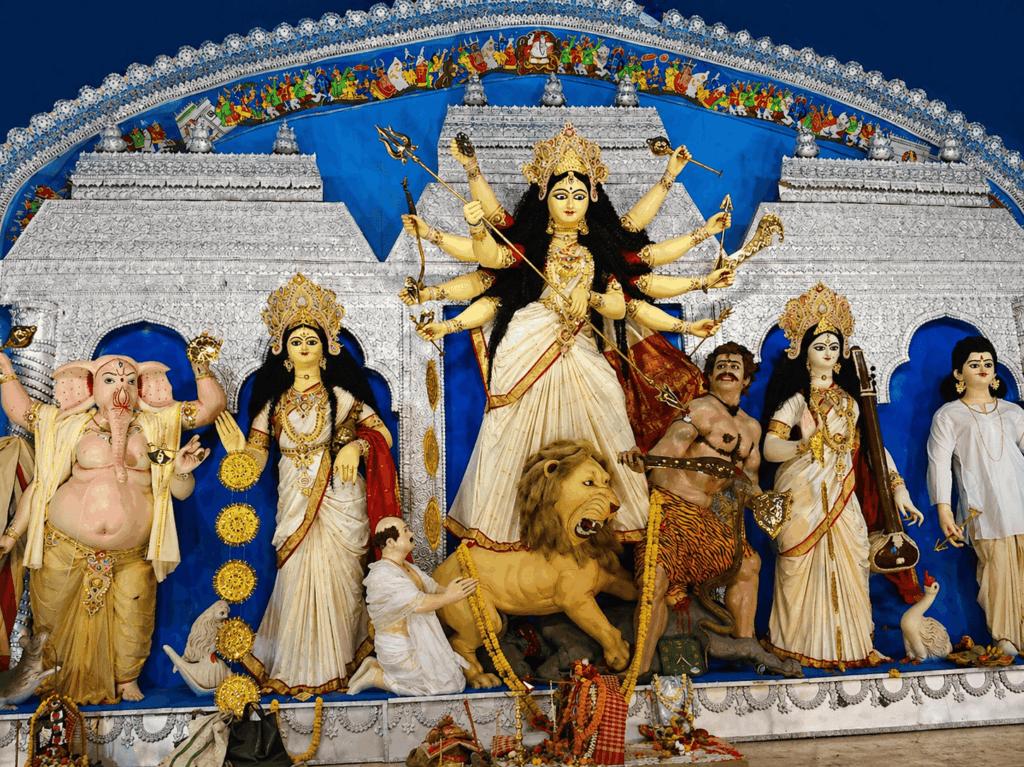
Durga Puja in Serampore is more than just a festival—it is a vibrant celebration of culture, devotion, and community spirit. Every year, the town comes alive with beautifully crafted pandals, artistic idols of Goddess Durga, and streets illuminated with dazzling lights, creating an atmosphere of joy and festivity. Rooted deeply in tradition, Durga Puja marks the triumph of good over evil, symbolizing Goddess Durga’s victory over the demon Mahishasura. In Serampore, this sacred occasion blends age-old rituals with modern creativity, making it a unique cultural experience for residents and visitors alike. The festivities typically span several days, beginning with Mahalaya and culminating in Vijayadashami. Each day is filled with rituals, including pushpanjali, dhunuchi naach, and evening aartis that bring devotees together in devotion. The rhythmic beats of dhak drums echo through the town, adding to the spiritual ambiance. Beyond religious significance, Durga Puja in Serampore is a grand social event. Local clubs and communities organize cultural programs, music performances, food stalls, and competitions, making it a lively gathering for people of all ages.

Durga Puja Read More »

fest01

Mahesh Rathyatra

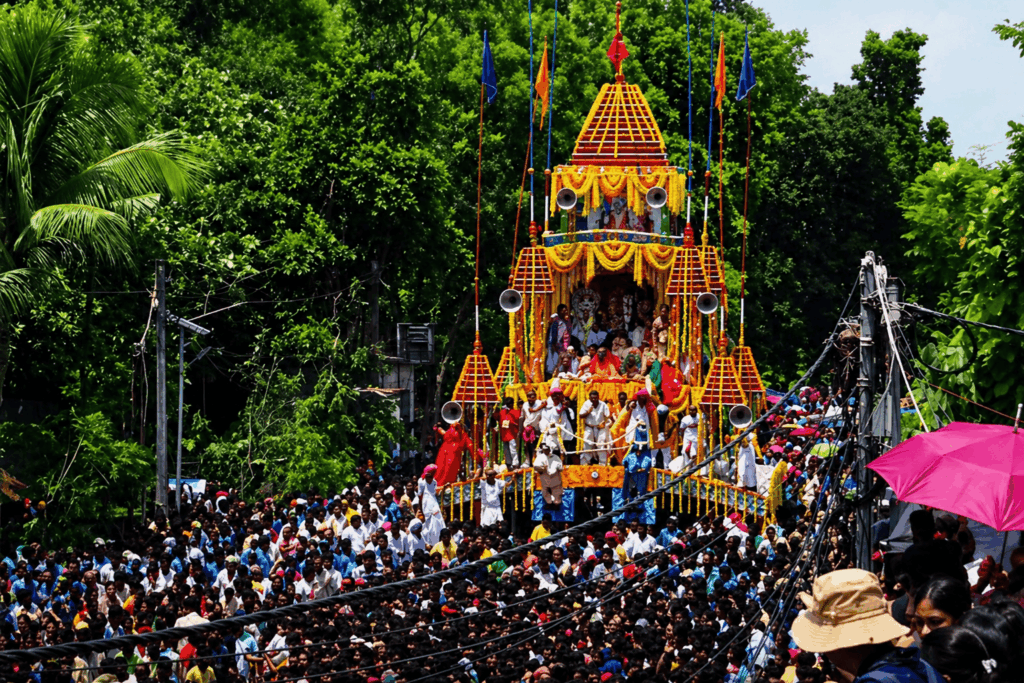
The Mahesh Rathayatra in Serampore is one of the oldest and most revered chariot festivals in India, celebrated with deep devotion and grand cultural fervor. Dedicated to Lord Jagannath along with his siblings Balabhadra and Subhadra, this iconic festival has been a symbol of faith and unity for centuries. The origins of Mahesh Rathayatra date back to the late 14th century, making it one of the earliest Rathayatras outside Puri. It is closely associated with the Jagannath Temple Mahesh, where devotees gather in large numbers to participate in rituals and seek blessings. Over time, the festival has evolved into a vibrant cultural event while preserving its deep-rooted traditions. One of the most striking features of the festival is the massive wooden chariot, intricately designed and rebuilt periodically. Standing tall and richly decorated, the chariot carries the idols of Lord Jagannath, Balabhadra, and Subhadra through the streets of Mahesh. Thousands of devotees pull the ropes of the chariot, believing it brings spiritual merit and divine blessings.

Mahesh Rathyatra Read More »

Jobs
Listings
Home
News
Contact