Cultural Heritage Of Serampur
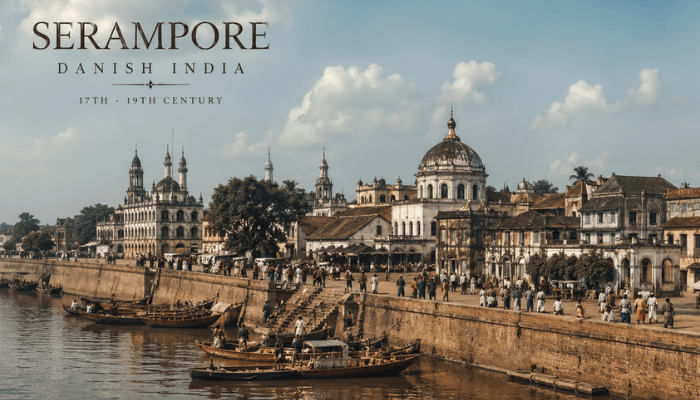
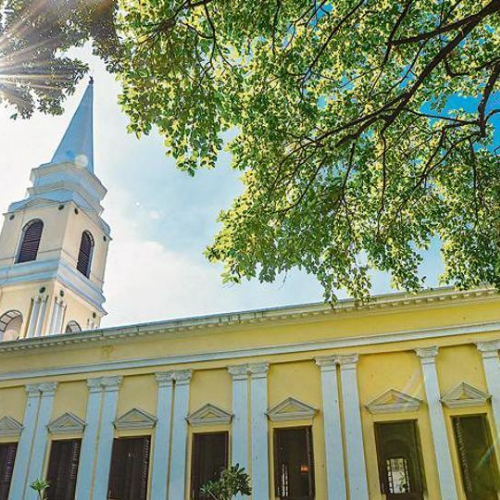
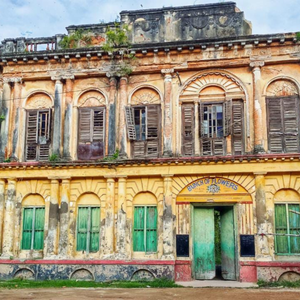
The city is several centuries old and has undergone significant transformations. It witnessed the arrival and establishment of a Danish settlement, which was later followed by a period of British rule. After the British acquisition in 1845, the city experienced substantial industrial development, including the construction of railways and factories, leading to its emergence as an industrial hub.
The process of urbanization in Serampore can be understood through three distinct phases: a pre-urbanization period occurring before 1755, an urbanization phase spanning from 1755 to 1854, and an industrialization phase from 1854 to 1947. Prior to the Mughal era, the area situated between the Saraswati River and Hooghly River was a flourishing local community. Sheoraphuli served as a crucial distribution center for goods produced throughout Hooghly, which encouraged many families to settle in the area before 1755.
Industrial Boom And Modernization
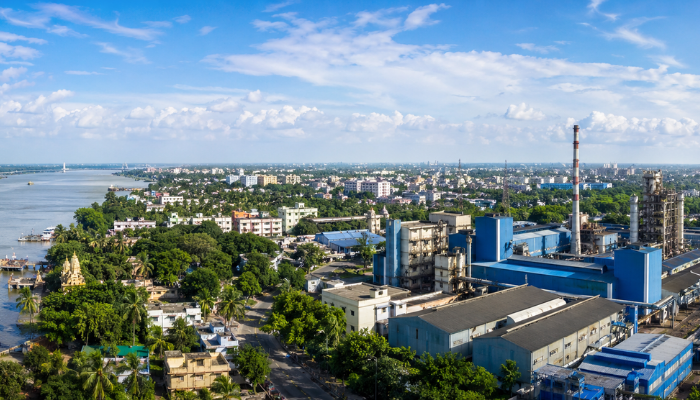
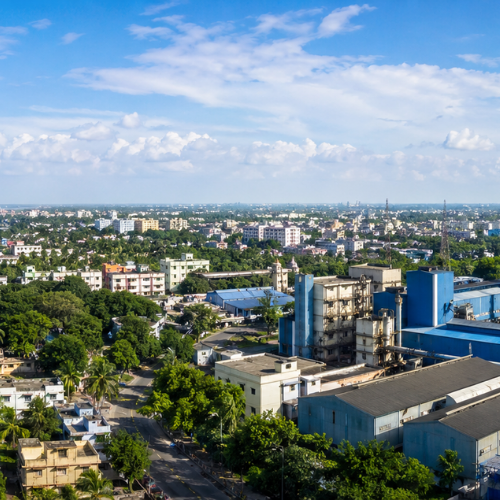
With significant capital investment from the British, Serampore transitioned from a commercial town into an industrial hub. A pivotal factor in this transformation was the laying of the Railway line from Howrah to Bardhaman in 1854, which brought about substantial changes in the town’s social fabric. Between 1866 and 1915, six additional jute mills were established across Rishra, Serampore, and Chandannagar.
In 1914, the Municipality arranged for the supply of filtered potable water.After approximately fifty years of British possession, Serampore was greatly influenced by the Bengal Renaissance and a Bengali cultural and nationalist movement. This nationalist spirit significantly impacted many middle-class youths, leading to a decline in foreign investment in industries but a corresponding increase in indigenous investment.
Key Insights Of Serampur
Population
275000
Languages
Bengali, English
Area
11.60 km2
Revenue
$ 34 Million
Serampur Statistics
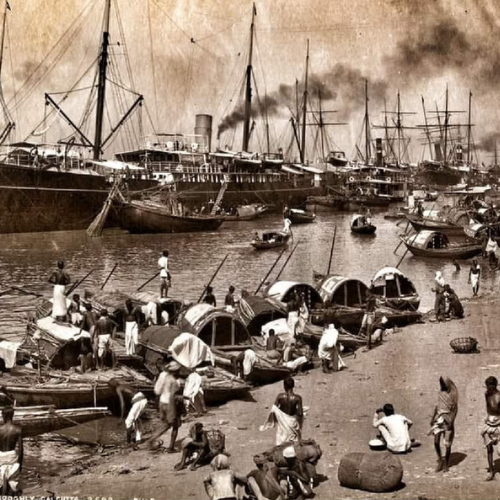
From River Port To Heritage Town


Quick Looks Of Serampur
Transportation In Serampur
Railways
Serampore Railway Station (SRP) sits on the vital Howrah-Bardhaman main line. Frequent EMU (local) trains connect Serampore to Howrah Station in just about 20-32 minutes.
Airways
Netaji Subhash Chandra Bose International Airport (CCU) in Kolkata is the nearest airport, situated approximately 25 to 34 km away depending on the route.
Waterways
Serampore is uniquely connected to the opposite bank of the Hooghly River via daily ferry services. Popular ghats like Mahesh Jagannath Ferry Ghat and Ballavpur Ferry Ghat connect to Barrackpore and Titagarh.
Roadways
A strong public bus network operates from the Serampore City Bus Terminus. Routes like Route 3 connect Serampore directly to Salt Lake (Karunamoyee), while Route 2 and Route 285 serve heavily traveled hubs like Sector V, Kolkata, and Barrackpore.
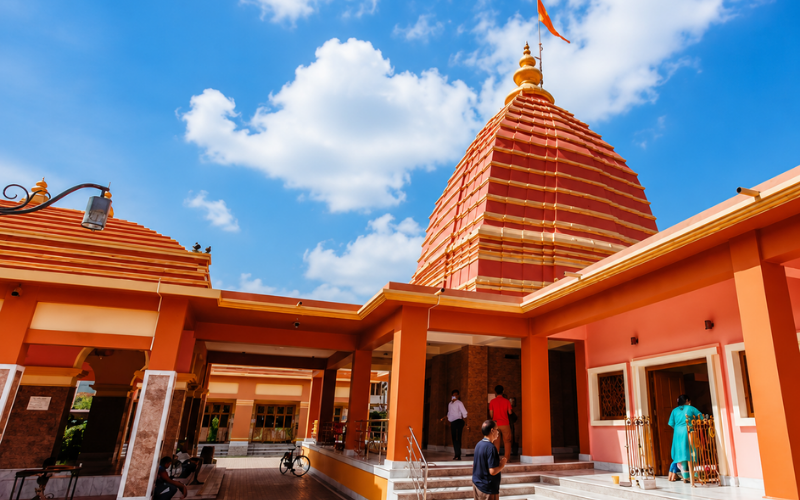
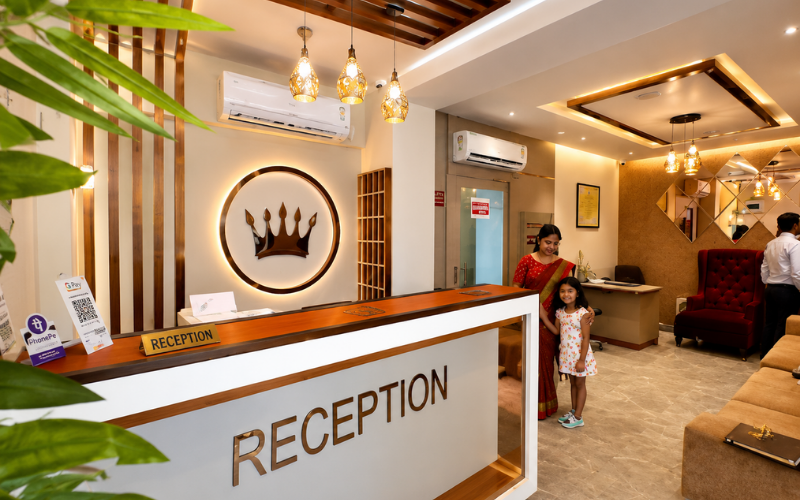
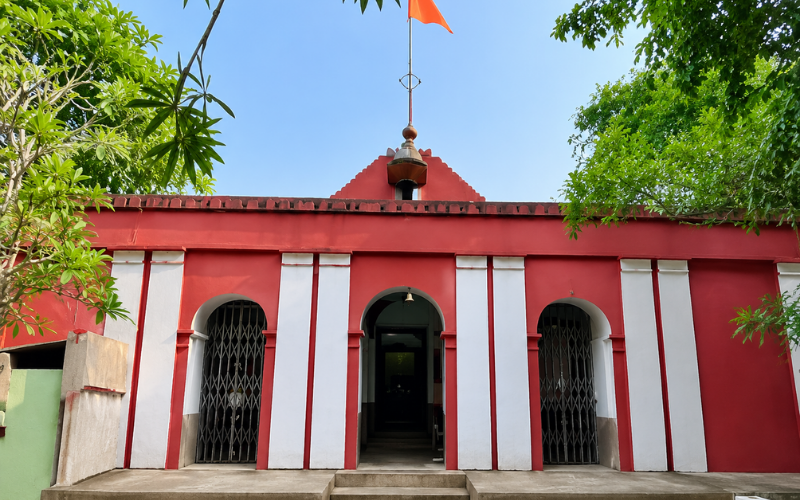
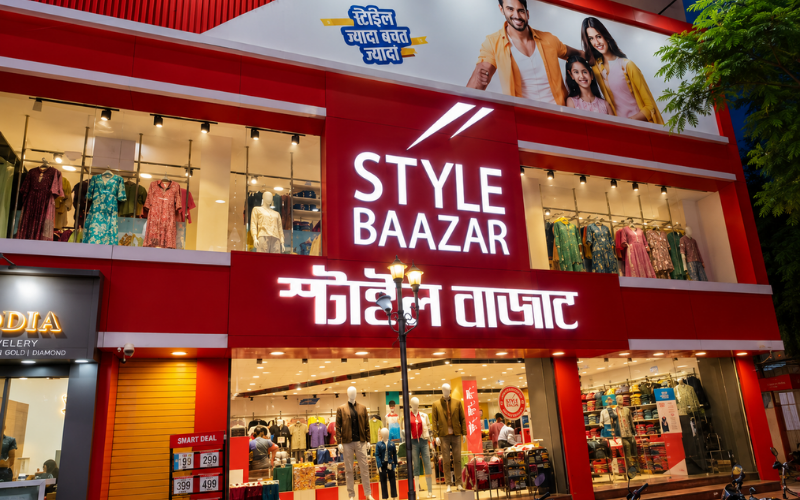
Serampore Gallery
Frequently Asked Questions
Serampur is a historic town in West Bengal, situated along the Hooghly River, near Kolkata.
Serampur was a Danish colony (called Frederiksnagore) before becoming part of British India, making it unique in colonial history.
Serampore College is one of India’s oldest educational institutions, founded in 1818 by missionaries.
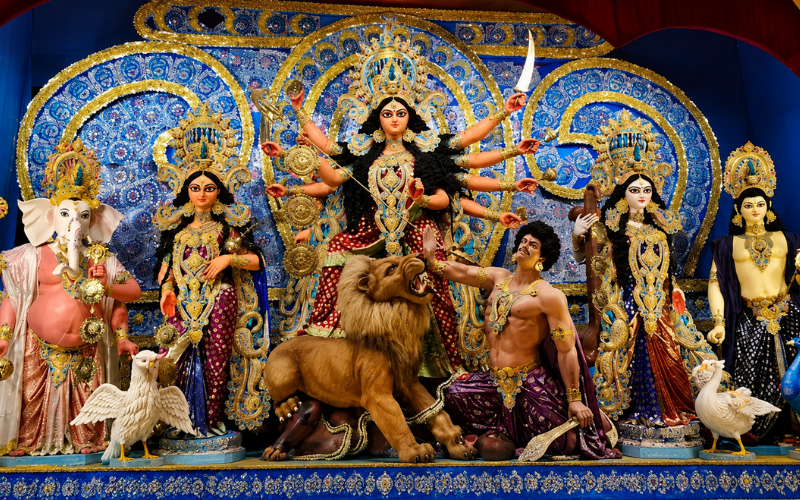
Major festivals include Durga Puja, Kali Puja, and other traditional Bengali celebrations.
Bengali is the primary language, along with Hindi and English.
Serampur is well connected by rail and road. It lies on the suburban railway network near Kolkata.